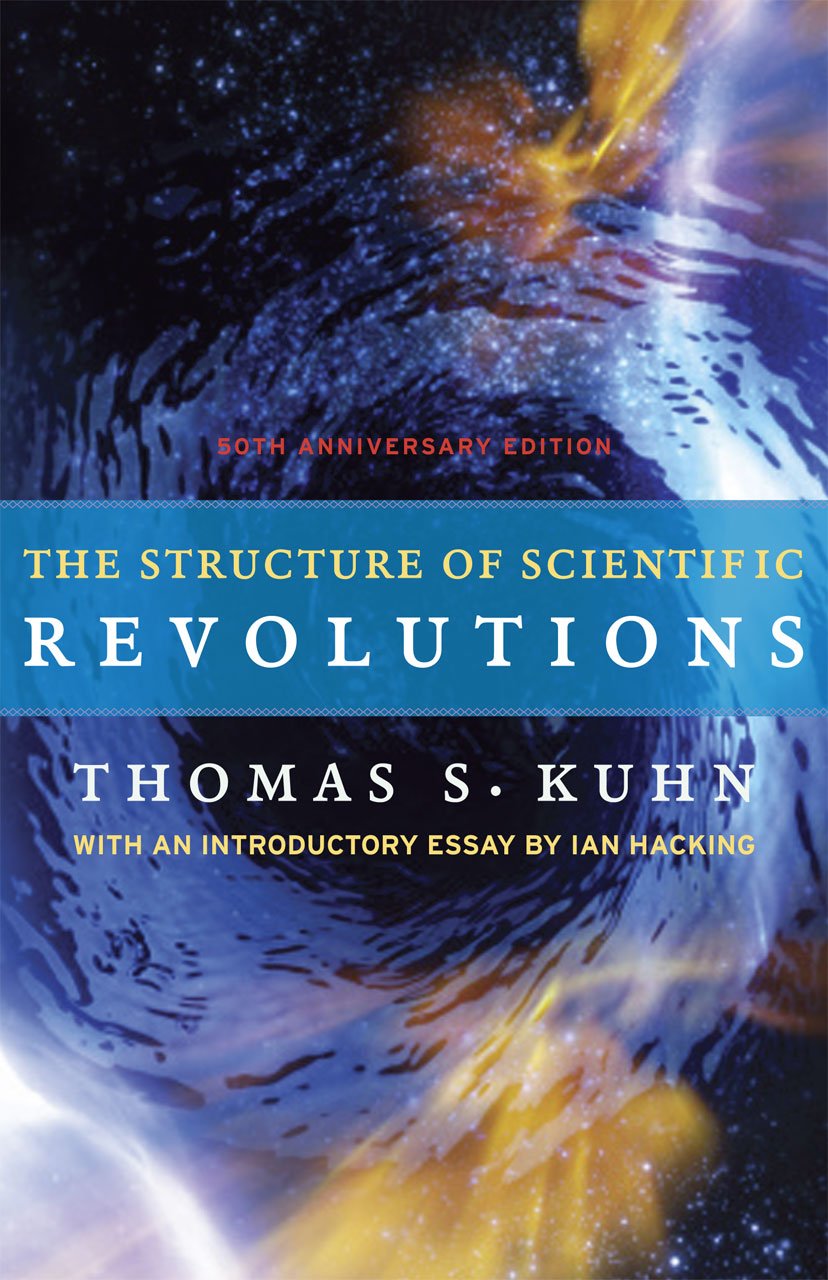
The Structure of Scientific Revolutions
Thomas Kuhn
If you have ever heard someone mention a “paradigm shift” and wondered what it actually means, this book is a good place to start.
For Thomas Kuhn, a paradigm is a particular model, framework or practice through which a field understands and investigates the world. Paradigms are powerful because they make certain aspects of reality visible, legitimate and valuable. At the same time, they are always partial. By bringing some things into focus, they inevitably leave others out.
This means we necessarily need multiple paradigms. There can never be a single, grand approach capable of grasping the full complexity of reality. This creates tension because paradigms do not always communicate easily with one another. They may complement each other, or they may contradict each other. Even within a single discipline, several paradigms can coexist.
This is where critical, creative and transdisciplinary practice becomes essential. If reality and the challenges we face exceed the grasp of any one paradigm, we need to become more aware of the limits of our own frameworks and more playful in exploring and creating new ones.
"What man sees depends both upon what he looks at and also upon what his previous visual-conception experience has taught him to see."

Steven Sullivan
Strategic Design Director